Your food journal indicates a day with varied nutrient sources, though some choices could be optimized for better health.
Your usual coffee with a small amount of soy milk aligns well with your intermittent fasting pattern and provides a low-calorie start to your day.
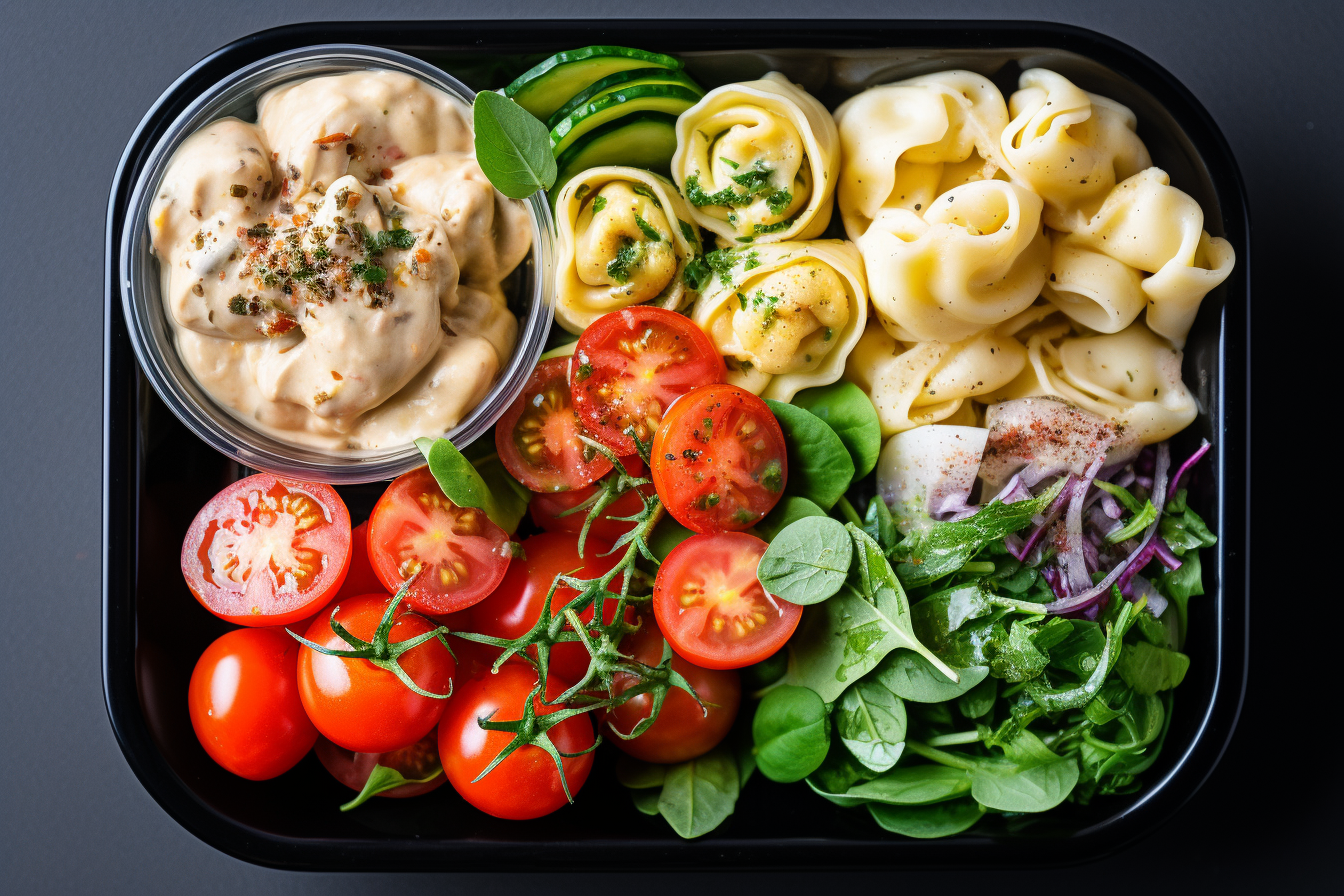
For lunch, tortellini with a cream and cheese sauce can be quite calorie-dense due to the pasta, cream, and cheese. Although these foods aren’t inherently bad, they can add up quickly in terms of caloric content, especially in generous portions. Consider adding a side salad or some steamed vegetables to bring balance to the meal.
Your dinner, post-workout, is a good mix of proteins (from the eggs and mozzarella), fiber (from the artichokes and spelt salad), and carbohydrates (from the focaccine and spelt). This type of meal is great for recovery, providing the nutrients your body needs to repair and rebuild after a workout.
Light orange juice can be a good source of vitamin C, but it’s best to watch out for added sugars. If possible, eating whole fruits is a better option, providing fiber along with the natural sugars.
Here are some actions to consider:
- While enjoying pasta dishes, try to include some vegetables in the mix or on the side to balance the meal.
- Be aware of the sugar content in juices, even “light” or “diet” versions. Opt for whole fruits when possible.
- Your dinner choices after workouts are well balanced; continue this habit.
Reminders:
- You’re making good choices for post-workout nutrition, which aids recovery.
- Even though some foods are high in calories, you can still enjoy them by watching portion sizes and balancing them with low-calorie, nutrient-dense options like vegetables.
- Consider whole fruits over fruit juices to reduce sugar intake and increase fiber intake.
Stay mindful of your choices, balance, and portion sizes as you continue your journey to a healthier relationship with food.